Friday, February 10, 2017

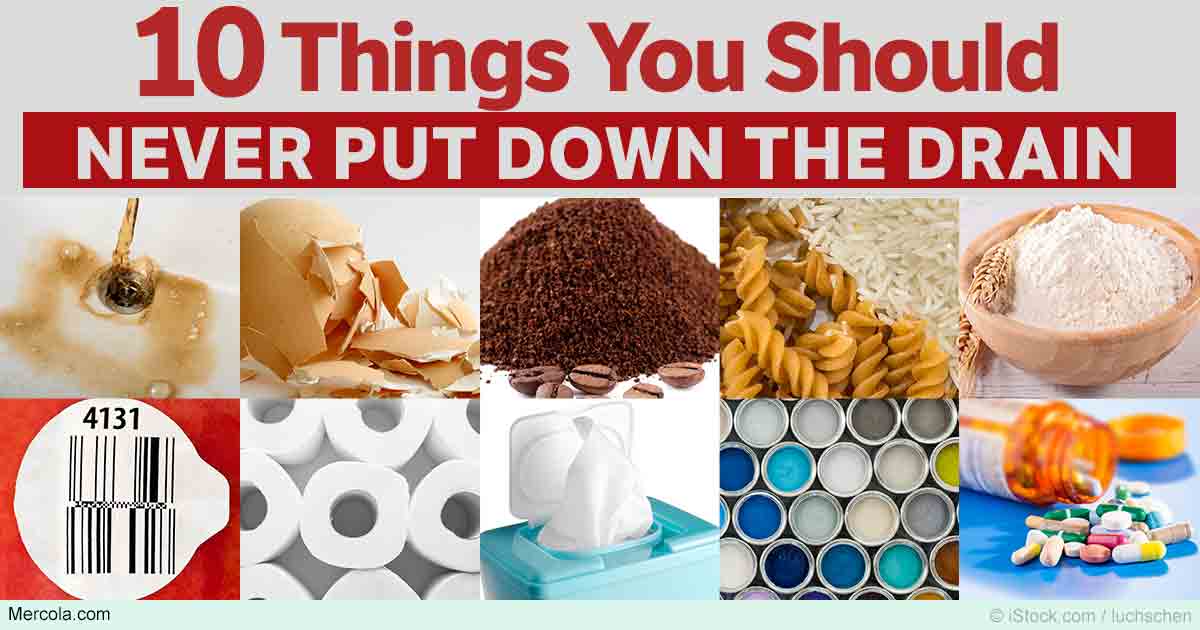
10 Things You Should Never Put Down the Drain


By Dr. Mercola Your kitchen sink consistently rates as one of the dirtiest places in your home. According to NSF International, a public health and safety organization, your dishrag and kitchen sink top the list of places in your home with the most germs.1 Even worse than the bathroom or toilet seat, your sink is the ideal place for illness-causing microbes to thrive. Your kitchen sink may be a source of frustration when it becomes clogged, or may be an area through which you inadvertently are polluting the environment. The plumbing in your home may seem like a mystery since it's usually hidden behind walls and under the sink. However, once you understand how it works in your home, and how it's treated when it leaves your house, you'll have a greater ability to maintain your plumbing pipes and reduce your impact on environmental pollution.How Plumbing Works The plumbing in your home is a little like the arteries and veins that transport nutrients and oxygen around your body. The term
http://articles.mercola.com/sites/articles/archive/2017/02/11/never-put-these-10-items-down-the-drain.aspx


Alzheimer's: Every Minute Counts


By Dr. Mercola Alzheimer’s disease has grown to be one of the most pressing and tragic public health issues facing the U.S. With no known cure and the number of people affected expected to triple by 2050, the Alzheimer’s Association estimates that by mid-century someone in the U.S will develop Alzheimer’s disease every 33 seconds.1 In the documentary above, “Alzheimer’s: Every Minute Counts,” you can see firsthand the steep social and economic consequences of this disease, along with its ability to completely overwhelm not only the patient but also their caregivers. Families dealing with this disease are families in crisis. “This ‘tsunami’ of Alzheimer’s will not only be a profound human tragedy, but an overwhelming economic one as well. Due to the length of time people live with the illness and need care, it’s the most expensive medical condition in the U.S.,” the film’s website explains, adding:2 “Future costs for Alzheimer’s threaten to bankrupt Medica
http://articles.mercola.com/sites/articles/archive/2017/02/11/alzheimers-every-minute-counts-documentary.aspx

Wednesday, February 8, 2017

Meditation Actually Alleviates Stress


By Dr. Mercola Stress is one of the biggest challenges facing U.S. adults, with many reporting that stress has a negative impact on their mental and physical health. The American Psychological Association’s (APA) 2015 Stress in America survey further revealed that a sizable portion of adults do not feel they are doing enough to manage their stress.1 Nearly half of Americans said they engage in stress-management activities just a few times a month or less (and 18 percent said they never do). Others (nearly 40 percent) report overeating or eating unhealthy foods as a result of stress, while 46 percent said they lie awake at night because their stress levels are so high.2 Needless to say, a simple, inexpensive tool to help manage stress would be invaluable for stress-out adults in need of a reprieve — especially one that can be practiced virtually anytime, anywhere. Such tools do exist — they’re called meditation and mindfulness — and now we have new research affirming their si
http://articles.mercola.com/sites/articles/archive/2017/02/09/meditation-alleviates-stress.aspx

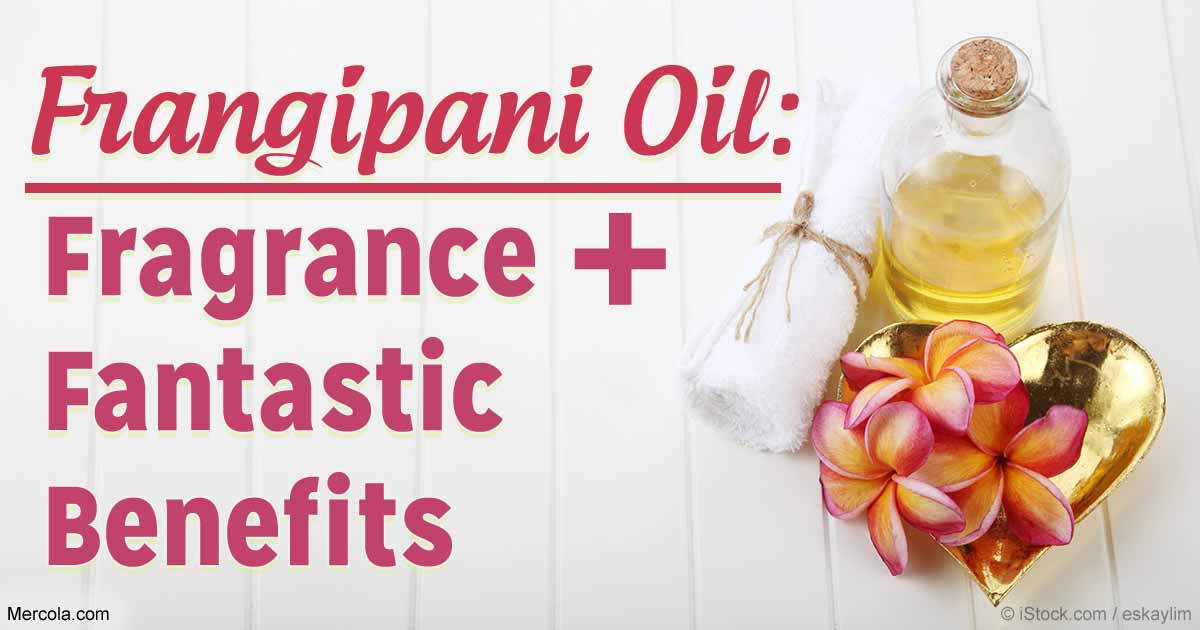
Cleanse Your Mind, Body and Soul With the Fragrance of Frangipani Oil


What Is Frangipani Oil? Frangipani oil comes from frangipani, also known as plumeria, a member of the Apocynaceae (Dogbane family). The plant is related to oleander (Nerium oleander) and has different species that can be distinguished by their differently shaped leaves and growing habits. The tree is native to Mexico, the Caribbean and Central America — a beautiful but fast and easy growing plant that is commonly seen in gardens and temples.1 Plumeria flowers are large, fragrant and red and bloom during summer and fall. Other varieties produce flowers that are yellow and white.2 Frangipani oil has a strong, rich, heady and exotic fragrance that makes it valuable in perfumery. Some may even describe the scent as “romantic.” The oil is either clear or pale yellow and is slightly viscous. Uses of Frangipani Oil Frangipani flowers, and the tree itself, are known for their beauty and the decorative appeal they add to yards and gardens. In Hawaii, plumeria blooms are popularly used to
http://articles.mercola.com/sites/articles/archive/2017/02/09/frangipani-oil.aspx

Sauna Therapy May Reduce Risk of Dementia and Boost Brain Health


By Dr. Mercola When it comes to improving your health, some of the simplest strategies can have a tremendous impact. Sweating in a sauna, for example, has many great health benefits, including expelling of toxins, improving blood circulation, killing disease-causing microbes and improving mitochondrial function. Research has even shown that regular sauna use correlates with a reduced risk of death from any cause, including lethal cardiovascular events, and may help stave off Alzheimer’s disease and dementia. Sauna Bathing Promotes Brain Health Most recently, researchers in Finland — a country where most homes come equipped with a sauna — found that men who used a sauna four to seven times a week for an average length of 15 minutes had a 66 percent lower risk of developing dementia, and 65 percent lower risk of Alzheimer’s, compared to men who used the sauna only once a week.1 More than 2,300 middle-aged men were followed for more than two decades in this study, and the results
http://articles.mercola.com/sites/articles/archive/2017/02/09/benefits-of-sauna-therapy.aspx

Tuesday, February 7, 2017

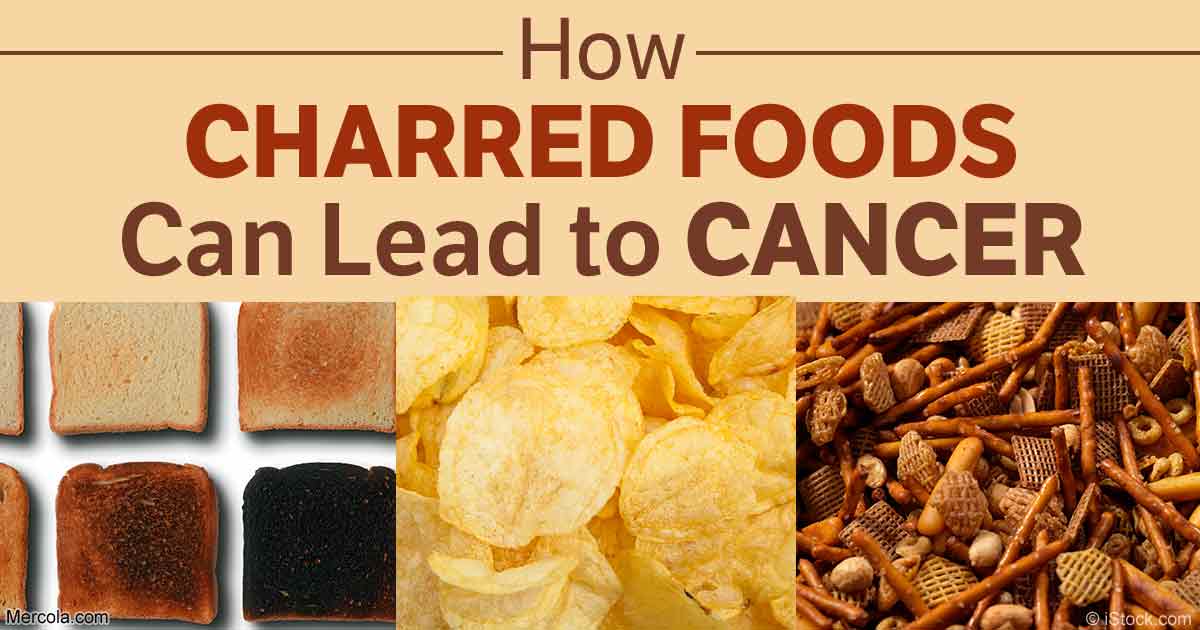
The Case Against Charred Foods and Why Potato Salad May Be the Healthiest Way to Eat Potatoes


By Dr. Mercola In 2002, researchers discovered a cancer-causing and potentially neurotoxic chemical called acrylamide is created when carbohydrate-rich foods are cooked at high temperatures, whether baked, fried, roasted, grilled or toasted. Acrylamide is the byproduct of a chemical reaction between sugars and the amino acid asparagine, which occurs at high temperatures. While the chemical can form in many foods cooked or processed at temperatures above 250 degrees F (120 degrees C), carbohydrate-rich foods are by far the most vulnerable.
http://articles.mercola.com/sites/articles/archive/2017/02/08/acrylamide-in-food-cancer-risk.aspx

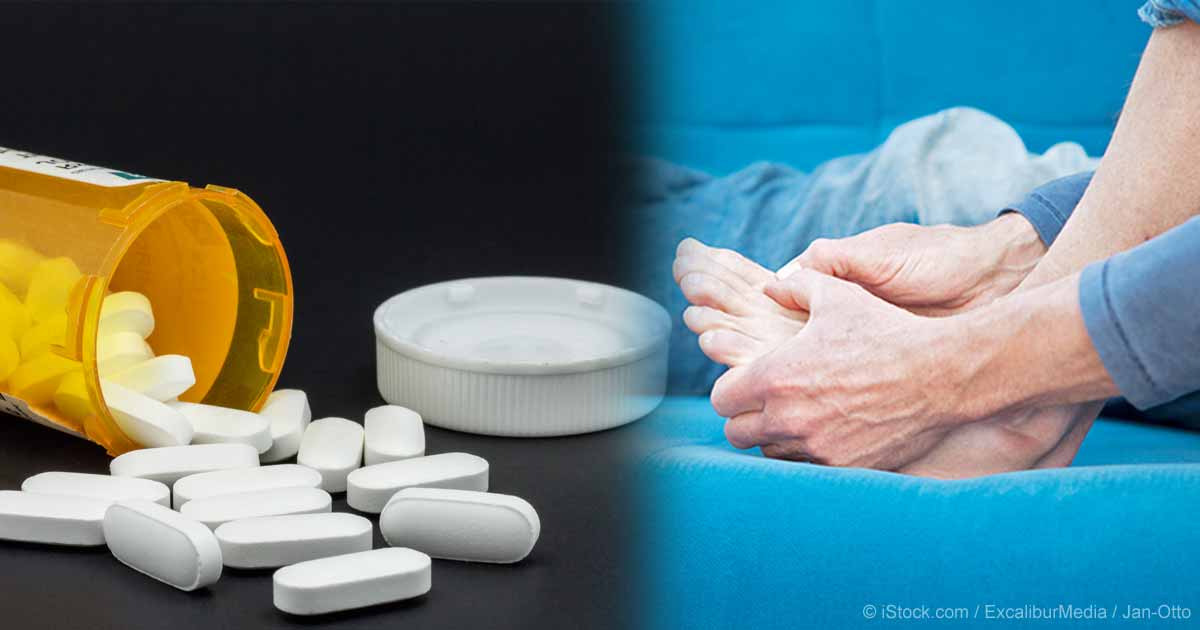
Gout: Why You Need to Be Careful of Conventional Medical Advice


By Dr. Mercola Gout is a type of inflammatory arthritis, more commonly diagnosed among men. The prevalence of the condition is growing in the U.S. today. What used to be found almost exclusively in men over 40 now affects both young and old, men and women, thin and overweight people. The nickname, “disease of kings” was given to the condition as it usually affected men who overindulged in rich foods and alcohol. King Henry VIII of England, Alexander the Great, Michelangelo, Christopher Columbus and Benjamin Franklin are just some of the historical figures who suffered from gout. The prevalence of the condition has risen over the past two decades, now affecting 4 percent of Americans or 8.3 million people.1 Researchers associate rising prevalence to the increasing number of people who are overweight and hypertensive. However, while it is a common condition, doctors and researchers have not come to a consensus about treatment. Confounding the issue is the relationship between doctor
http://articles.mercola.com/sites/articles/archive/2017/02/08/gout-treatment.aspx