Monday, March 6, 2017

USA Today Ridiculed for Column by Industry Front Group


By Dr. Mercola The American Council on Science and Health (ACSH) is a non-profit organization with the motto “Science. Not Hype.” It claims to be an independent research and advocacy organization consisting of concerned scientists who are devoted to debunking junk science, with a mission to “publically support evidence-based science and medicine.”1 So, to hear that ACSH members have authored science columns published by USA Today may not immediately seem concerning, nor newsworthy, but if you dig even slightly beneath the surface it becomes clear that ACSH is not an organization to be trusted and viewed as an independent source on science. In a letter to the editors of USA Today, more than two dozen doctors and health, environmental, labor and public-interest groups called on the news outlet to stop publishing ACSH content or at least require that it be identified for what it truly is: a corporate front group. The letter begins:2 “We are writing to express our concern that U
http://articles.mercola.com/sites/articles/archive/2017/03/07/usa-today-ridiculed-publishing-acsh-content.aspx

Sunday, March 5, 2017

Vitamin C May Be a Potent Adjunct to Cancer Treatment


By Dr. Mercola Vitamin C is one of the most well-established traditional antioxidants known and its potent health benefits have been clearly demonstrated over time — especially for the prevention and treatment of infectious diseases. Research has also shown that vitamin C is selectively cytotoxic to cancer cells when administered intravenously (IV) in high doses, and has a number of heart- and cardiovascular benefits. From my perspective, vitamin C is a very useful supplement that should be part of most cancer treatment protocols. Vitamin D is another crucial anti-cancer component I’ve written about on numerous occasions.How Vitamin C Kills Cancer Cells In order for vitamin C to effectively kill cancer cells, you need to have a very high concentration of vitamin C in your blood, and the only way to obtain these extreme levels is through IV administration, although using oral liposomal vitamin C can approach effectiveness at a fraction of the price, improved convenience and cost. B
http://articles.mercola.com/sites/articles/archive/2017/03/06/vitamin-c-cancer-treatment.aspx

Is a Niacin Flush Dangerous?


By Dr. Mercola Niacin, or vitamin B3, is important to your overall good health. Vitamin B3 deficiency may result in a condition called pellagra, characterized by mental confusion, diarrhea and scaly skin sores. Deficiencies, however, are rare and often confined to people with trouble absorbing the vitamin from their food.1 The vitamin is water soluble, so it is not stored in the body but eliminated through the kidneys. This means you need a steady supply from your diet. Niacin is found in many foods commonly found in an everyday diet, such as chicken, eggs, legumes (peanuts), milk and rice.2 The vitamin helps convert carbohydrates into glucose and is part of the process in making several sex and stress-related hormones.3 You can meet your daily requirements for niacin through dietary intake. It is rare to develop a deficiency unless you also suffer from an underlying medical condition that reduces your absorption in the gastrointestinal tract, such as alcoholism. Niacin is available a
http://articles.mercola.com/sites/articles/archive/2017/03/06/is-niacin-flush-dangerous.aspx

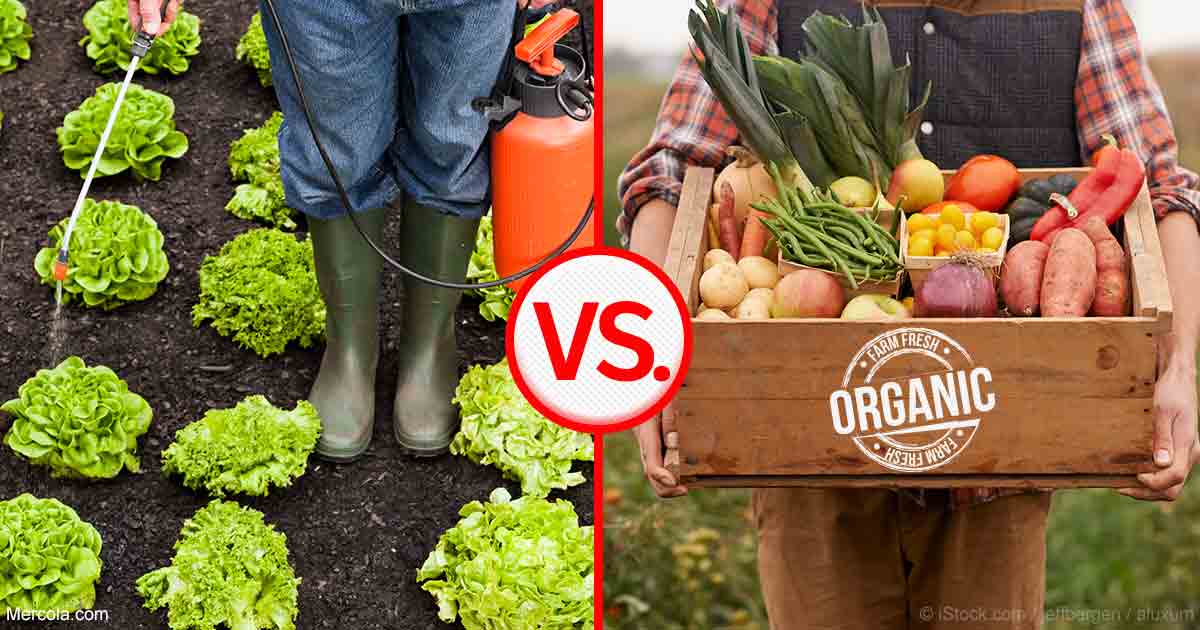
Even Harvard Urges Eating Organic


By Dr. Mercola Besides air, water and shelter, the fourth basic human essential is food. For centuries, the biggest challenges were getting enough of it and obtaining the nutrients necessary from it to maintain health. Today, the world is faced with a food conundrum that may have been unforeseen a century ago. It stems from the fact that crops for human consumption aren’t grown for optimal health as much as they are to be more easily produced. The term “pesticide” encompasses insecticides, fungicides, herbicides and rodenticides. Recently, experts from several countries were asked to review the possible health advantages of organic food and farming practices when the European Parliament commissioned Harvard T.H. Chan School of Public Health to prepare a report outlining possible benefits. Researchers used in vitro and animal studies, epidemiological studies and food crop analyses to determine that the most pressing concern regarding conventionally grown food is the use of pestic
http://articles.mercola.com/sites/articles/archive/2017/03/06/eating-organic-foods-versus-conventional.aspx

Is a Niacin Flush Dangerous?


By Dr. Mercola Niacin, or vitamin B3, is important to your overall good health. Vitamin B3 deficiency may result in a condition called pellagra, characterized by mental confusion, diarrhea and scaly skin sores. Deficiencies, however, are rare and often confined to people with trouble absorbing the vitamin from their food.1 The vitamin is water soluble, so it is not stored in the body but eliminated through the kidneys. This means you need a steady supply from your diet. Niacin is found in many foods commonly found in an everyday diet, such as chicken, eggs, legumes (peanuts), milk and rice.2 The vitamin helps convert carbohydrates into glucose and is part of the process in making several sex and stress-related hormones.3 You can meet your daily requirements for niacin through dietary intake. It is rare to develop a deficiency unless you also suffer from an underlying medical condition that reduces your absorption in the gastrointestinal tract, such as alcoholism. Niacin is available a
http://articles.mercola.com/sites/articles/archive/2017/03/06/is-niacin-flush-dangerous.aspx

Vitamin C May Be a Potent Adjunct to Cancer Treatment


By Dr. Mercola Vitamin C is one of the most well-established traditional antioxidants known and its potent health benefits have been clearly demonstrated over time — especially for the prevention and treatment of infectious diseases. Research has also shown that vitamin C is selectively cytotoxic to cancer cells when administered intravenously (IV) in high doses, and has a number of heart- and cardiovascular benefits. From my perspective, vitamin C is a very useful supplement that should be part of most cancer treatment protocols. Vitamin D is another crucial anti-cancer component I’ve written about on numerous occasions.How Vitamin C Kills Cancer Cells In order for vitamin C to effectively kill cancer cells, you need to have a very high concentration of vitamin C in your blood, and the only way to obtain these extreme levels is through IV administration, although using oral liposomal vitamin C can approach effectiveness at a fraction of the price, improved convenience and cost. B
http://articles.mercola.com/sites/articles/archive/2017/03/06/vitamin-c-cancer-treatment.aspx